Why You Should Get a Summer Camp TEFL Job


To a lot of us, the words ‘summer camp’ are synonymous with American culture, wooden cabins in the forest and songs by the campfire (thanks in part to Hollywood classics like The Parent Trap and American Pie), but in reality, summer camps are becoming more and more popular in different parts of the world, especially Europe.

One of the most common types of camp (no, not band camp) are EFL camps, where parents send their children off in the school holidays to learn English.  These total English immersion programmes are a fantastic opportunity for kids (ages usually range from around 8-14) to learn English in a fun and stimulating environment.  Getting a summer camp TEFL job also provides a fantastic opportunity for TEFL teachers, and here are some of the reasons why:

Short-term commitments

Maybe you are between semesters at university, or simply want to test the EFL waters without committing to a yearlong contract, the shorter-term contracts of EFL summer camps are the perfect opportunity to try out your teaching skills. Teachers are usually asked to commit anything from 1 week to 3 months at any particular camp, so there is a lot of flexibility to your commitment.

Work experience

Gaining work experience during the summer months is especially beneficial to university students. Many employers like to see that you’ve done something worthwhile with your time off from college, so rather than take off to Ibiza for the summer, you can travel AND gain experience at the same time – win/win!

Earn money

Ok, so you aren’t going to earn a fortune teaching in a summer camp, but your bed and board will be covered and you’ll usually get a weekly allowance to cover extras, so you’ll be able to explore the local area on your days off without delving into your savings.

Make it a yearly thing

If you really enjoy your time teaching at the summer camp, there is always the possibility of making it an annual event. Teachers who perform well are often asked back the following year.

It’s fun!

If there’s one thing you should learn from i-to-i TEFL courses, it’s that teaching English should be fun, and you’ll get no better opportunity to flex your creative muscles than by teaching in a summer camp. It’s summer (obviously) so the weather is good, the kids are outside and games and outdoor activities are the order of the day. Just make sure you are the type of person who has the energy to keep up!

Where do I sign up?

Summer camp opportunities begin to appear on TEFL Jobs Boards from January onwards.  The positions are highly sought after though, so get your applications in early.

We’ve got some great opportunities on the i-to-i Jobs Board right NOW, so take a look and find the perfect summer camp TEFL job for you!:
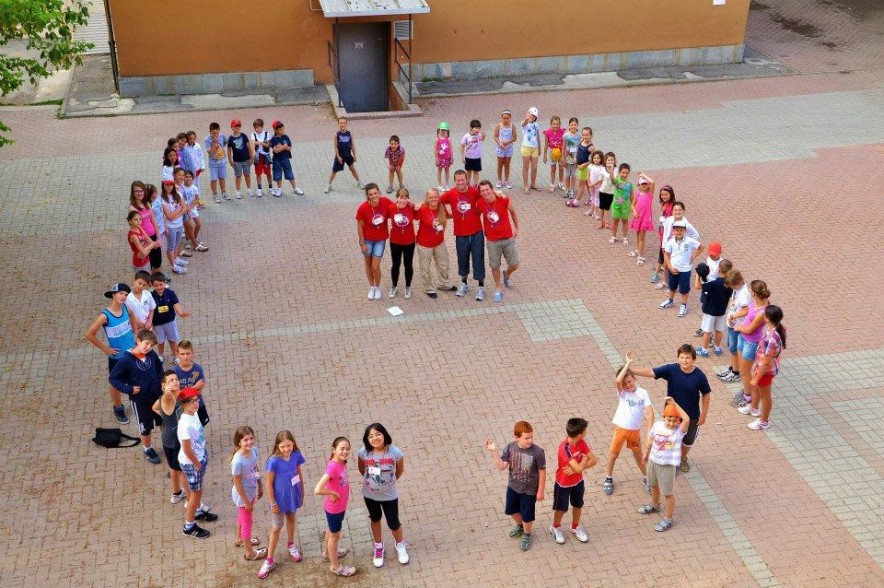
summer camp playground

i-to-i graduate Paul, actually spent a few weeks at Lingue Senza Frontiere (which, FYI, means ‘Languages without Borders’ in Italian) last summer. You can read about his experiences here.

So what are you waiting for? A long summer of happy memories and unforgettable experiences awaits…

Teaching at a Summer Camp in Italy: Paul’s Story

Who said TEFL is just for when you graduate? TEFLing Paul completed his EDI CertTEFL during the summer holidays then jetted off to teach English at a summer camp in Italy.

We quizzed him to find out how he did it. Everyone, meet Paul.


So Paul, Why Did You Decide to Start a TEFL Adventure?

As a 29 year old college student of early childhood education and care I decided to explore the world of TEFL because I’d seen friends who had travelled around the world on amazing adventures. As I always enjoyed travelling this seemed like the perfect opportunity to see the world while enhancing my CV and gaining teaching experience in the process.

What Made You Choose i-to-i as Your TEFL Course Provider?

I heard about i-to-i from a friend who suggested I equip myself with the biggest (and most prestigious) package and I went for it!!! I decided to take on this course mainly due to the lure of the chance of getting my first teaching experience.

Did the EDI CertTEFL Course Meet Your Expectations?

The EDI course met all of my expectations and with 6 hours of first-hand teaching practice it certainly prepared me for a real life situation. Teaching English classes to foreign nationals during the course gave me confidence which is invaluable in a classroom.

What Was the Next Step?

The next step for me was to firstly get back to the grind stone of college (as I completed most of the EDI CertTEFL course while on my summer holidays!) Soon after returning to college the emails telling me about TEFL job vacancies all over the globe came flooding in.

Can You Tell Us a Little About the Interview Process?

Of the many TEFL jobs, one in particular caught my eye, it was a summer camp job in Italy and after applying they sent me on an application to complete. The application form included lesson plans which I was familiar with, thanks again to the EDI gang. Without wanting to gloat I was very proud to include my 6 hours experience of teaching (which was completed over 6 Saturdays in Dublin) as well as the whole TEFL (course) package.

What Do You Think Made You Stand Out From the Other Applicants?

Although I do have experience of working with children, the teaching practice from the EDI CertTEFL was invaluable.

What Did You Find Easy/Difficult?

My first day at the summer camp went unbelievably well. At first, I must admit, I did feel nervous. But with the relaxed atmosphere at the camp, and classroom, that nervous feeling only lasted about 10 minutes. I felt at ease with my class almost immediately and as the company I worked for put so much emphasis on the kids having fun it was difficult not to enjoy myself while at “work”.

One thing that was slightly difficult was the 35 degree heat Italy, but I won`t complain.

What Advice Would You Give to Someone Thinking About Taking a TEFL Job At a Summer Camp in Italy?

One piece of advice I would give to someone thinking about teaching at a summer school would be to set the ground rules from the get-go. This establishes the foundations for good behaviour and makes for a more enjoyable time for all.

What Was the Best Thing About Living In Italy?

It’s impossible to pin point the best thing about living in Italy. From the friendly and laid back attitude of the people and the beautiful weather to the amazing scenery of endless mountains and rivers, along with the delicious Italian cuisine and vibrant nightlife of the many locations we visited.

How Did Your EDI Qualification Prepare You For Your First Teaching Experience?

I was more than prepared for my first teaching experience. Not only did I have the benefits of practice but also the knowledge that comes with the theoretical aspect of EDI. I found this to be very clear and well structured too.

How Would You Rate Your TEFL Adventure Out Of 10 So Far?

So far my TEFL adventure can only be rated as 10 out of 10. It was an eye-opening, mind-blowing experience that I will never forget. I met dozens of people that are now my friends for life through this experience…..be them fellow tutors (native English speakers from as far as Australia, Canada, the USA to Britain and Ireland) that I trained with at San Remo in Italy for one week, my host family while at camp or even the many local Italian who I befriended…..not to mention my class and all the other kids at the school!

Stand-Out Moment?

One stand out moment would be the training camp at San Remo. Another would be the summer camp. Another could be the circle time every morning or the amazing nightlife of Torino….but again it isn’t possible to pick one stand-out moment. The whole experience was amazing but the pride of seeing my class graduate was unbeatable!!!

What’s Next For You?

Now that I’ve got the summer camp under my belt I’m back home where, thanks AGAIN to the whole TEFL and EDI qualification, I`ve got myself a job teaching 4 Spanish children English. I return to college in September for my final year and I’ve already got the itch for another adventure next year, so thankfully the TEFL jobs abroad are still flooding up my e-mails.

Like what you see? Excited to get your first TEFL Job? Then check out our guide to the Top TEFL Destinations.


How to make a career out of TEFL

One of the biggest misconceptions we hear time and time again here at i-to-i is that “TEFL is only suitable for young adults/students whilst they are travelling the world on a gap year”. Although many people on their gap year TEFL to fund their trip of a lifetime, there is so much more to TEFL than just that!

So, you’ve completed your TEFL Course, and now you are wondering where you can take your TEFL career? Or maybe you are wondering whether TEFL even can be a career? Our answer: you can absolutely make a life-long career out of TEFL, whether that’s abroad or Teaching English Online. Keep on reading for our top tips.


Online courses

5 Best places to TEFL if you like the cold

China

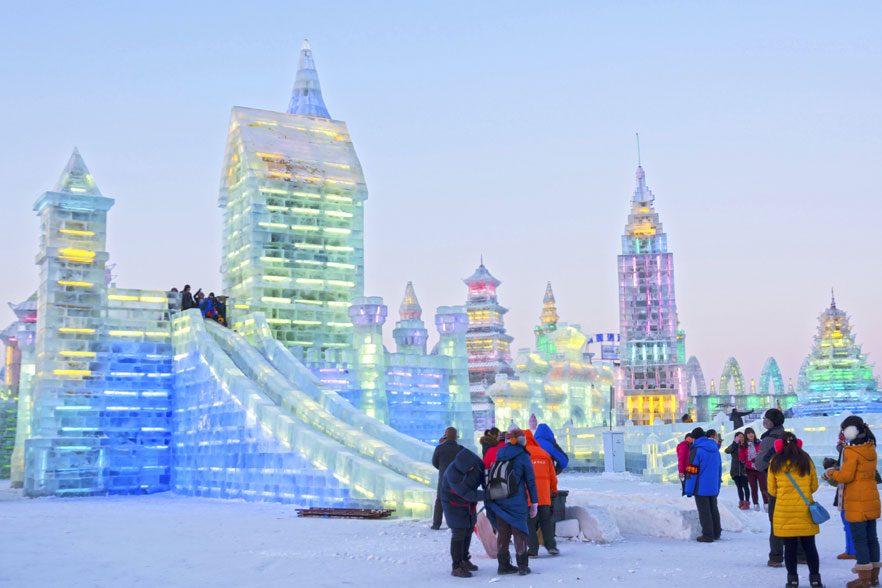
Winter in China is a spectacular wonderland and an ideal place to TEFL if you’re into that sort of thing. There’s far less tourism during the colder months so you’ll have the benefit of exploring world-famous sites like the Great Wall and the Yellow Mountains without tons of tourists getting in the way. The north of China is also particularly special during winter with Harbin’s magical ice festival. With towering icy replicas of iconic buildings, snowy scenes from legends and intricately carved frozen animals on show, it’s definitely a site worth seeing if you can hack the sub-zero temperatures.

Harbin ice festival

Czech Republic

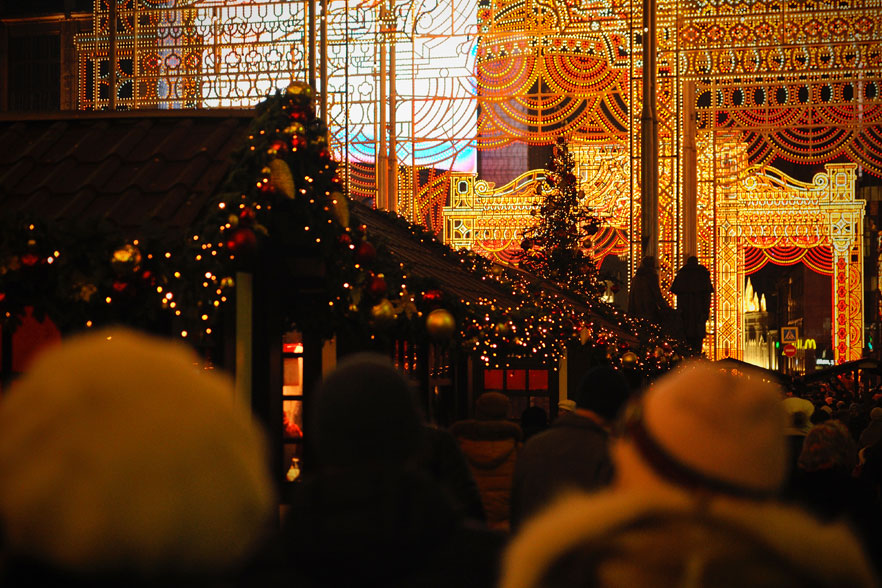
It can get pretty chilly in the Czech Republic in the winter months so it’s the perfect time to pile on the layers and head out to the fairy tale Christmas markets in Prague and beyond. At the end of a fun-filled day of TEFLing, what could be better than sipping on some delicious local svarene vino (mulled wine) to keep you toasty warm? Plus, you can get your fill of retail therapy while having a wander around the cute little festive stalls with your fellow teachers/roommates.

Christmas markets

Japan

Always a popular TEFL destination, Japan is perfect for winter-wonderland seekers, too. There’s the Sapporo snow festival with spectacular sculptures carved out of ice, Jigokudani monkey park with the resident macaques (snow monkeys) jumping between snow-laden branches, the majestic snow-topped volcano, Mount Fuji, and home to the 1998 Winter Olmpics, the Japanese Alps – to name a few!

Mount Fuji

Chile

If you’re an avid skier, you NEED to check out chilly Chile. The south is home to world-renowned ski resorts all over the Andes so you can spend your spare time on the slopes (and in the après ski!). Or you could head to the Chilean Lake District to check out the steaming volcanoes, picturesque villages and mystical forests. Possibly a lesser-known TEFL destination, Chile has a high-demand for English teachers, a vibrant culture and an amazingly diverse landscape that’s definitely worth exploring.

Chile

Russia

An obvious choice for you cold-lovers, Russia is the place to go if it’s extreme freezing temperatures you’re after. There’s plenty of work for adventurous TEFL teachers and also plenty to see in your spare time. For example, the small Siberian village of Oymyakon is the coldest inhabited place on earth with January temperatures averaging around -50°C (!!!). Plus, there’s some beautiful sites such as the Red Square in Moscow, Kizhi island in the north and Lake Baikal in the far east of the country.

Moscow

Ready to get qualified to TEFL? Check out our courses here. 

Christmas in the Top TEFL Destinations

Here in the UK, Christmas is a BIG thing! We spend billions on gifts, decorate our houses, and eat so much food we’re practically forced to join a gym come the new Year. This got us thinking… what is Christmas like around the world? We did a little research about the holiday to see how Christmas across top TEFL destinations unfolded, so here goes…

Spain

Christmas (or Navidad as it is known in most parts of Spain) is an officially recognised holiday; and on Christmas Eve (Nochebuena), a large family dinner is held, which can last until 6am (very late). The food served can vary as each Spanish region has its own distinct specialities: although typically, the meal starts with a seafood dish, and is followed by a bowl of delicious hot soup. On Christmas day, children usually receive one or two presents brought by Papa Noel (Father Noel) and there is also a special Christmas dance called the Jota which has been performed for hundreds of years throughout the holiday season. Another tradition is the welcoming of the Three Kings to the city (on January 5th). Children often put their shoes in the window in the hope that the Three Wise Men will deliver them presents!

Japan

Christmas is a popular celebration in Japan, although it’s not a public holiday (so you don’t get the day off work, strange for the Western world!); but Christmas decorations and trees occupy the streets and malls, making the atmosphere extremely festive! Food-wise, Japanese Christmas cake is often eaten throughout the holiday period: a delicious white sponge smothered in cream and strawberries. Also (and rather strangely!), a successful campaign in the 1970s made KFC an alternative to the traditional festive cuisine. Could you imagine eating fried chicken on Christmas day? Nope, neither could we!

China

Again China does not recognise Christmas as a public holiday (so the normal 9-5 applies to the 25th December), although it is a designated public holiday in both Hong Kong & Macau. Christmas is mostly celebrated privately with customs including sending cards, exchanging gifts and hanging stockings (quite similar to western celebrations). Due to the increasing interest in western culture, commercial Christmas decorations, signs and other symbols can be seen throughout large urban centres across mainland China during the month of December.

Poland

As Poland is largely Roman Catholic, Christmas Eve begins with a day of fasting and then a night of feasting! The traditional meal is known as Wigilia (vigil), and being invited to one of these dinners with a Polish family is considered a high honour. Before sitting down to eat, everyone exchanges Christmas greetings by sharing a piece of Christmas wafer, usually stamped with a religious picture and blessed by the local bishop. The feast begins when the first star is seen, and is followed by exchanging gifts. After the feast, people attend Midnight Mass to celebrate the birth of Jesus Christ.

Brazil

Christmas Day is officially a national holiday in Brazil and in most ways, the celebrations resemble those happening in Europe, with traditions like the Christmas tree, the exchanging of gifts and Christmas cards and the decorations of houses and buildings with colourful lights. Brazil is well known for its hot weather and climate, but decorations with themes of winter and snow can be seen around the country. Christmas Eve is the most important day throughout the festive period; and celebrations take place at midnight, and the celebration of the “Missa do Galo” (the rooster’s mass) in churches throughout the country.

Were you surprised by some of the traditions celebrated throughout Christmas across top TEFL destinations? Maybe you have some more stories you’d like to share? If so, please post a comment and we’ll be sure to add it to the list!

Ready to travel as a TEFL teacher? Get qualified online with our courses. 


Bring Christmas to the TEFL Classroom!

If you’re from a country that celebrates Christmas you’ll know how much of a big deal the festive season can be; and what better way to teach your students about the culture you come from than to bring Christmas to the classroom? See, teaching abroad isn’t all about past participles and pronunciation! Read on to find out how to spread Christmas cheer with i-to-i TEFL.

Make Christmas Cards

A great way to bring Christmas to the class when you’re teaching abroad is through Christmas cards; and this is especially popular with young students. They can spend their time decorating a cute Christmas card and write a special message to their family; and the great thing about this is although it’s fun, it tasks student with their writing skills. You could even have them write a letter to Santa – after all, he is a huge part of Christmas.

Christmas Songs

Teaching students Christmas songs always brings festive cheer – especially ones with cheesy lyrics and bells. ‘Merry Christmas Everyone’ is a great song choice as it has simple lyrics that captures the western celebrations of Christmas. Begin by reading through the lyrics together as a class and use concept questions to check understanding and meaning. You could even use actions and tell stories of your own Christmas experiences – students in Asia especially will be fascinated. Add the music, and be sure to dance – yes, you may be having more fun than your students but who cares?

Decorations

Loads of decorations will really bring the class to life and you can easily get the students involved. Just be aware that you’re an English teacher, and you need to make sure that any arts and crafts activities give students the opportunity to practice their English. You could for instance, get students to write things like ‘Merry Christmas’ across decorations.

Food

The food really brings together a typical Western Christmas, so why not make some festive treats for your class to indulge in? This could be anything from chocolate truffles to pigs in blankets (although good luck finding bacon and sausages in Asia – and also, be aware of culture, as in the Middle East, pork is forbidden). If you’re teaching adults, you could always give mulled wine a go – guaranteed to go down a treat, just don’t get them drunk!

Word Search

Who doesn’t like a word search every now and then, especially amongst the under 16s. Use festive words such as ‘Santa’ and ‘Presents’ to test their understanding, and you can ask them to mime each word. For more advanced classes, you could even get them to try and make a word search of their own.

We hope this has enlightened you with some ideas if you are teaching abroad right now; and if you’re not currently overseas, getting excited about the opportunities that lie ahead for you with regards to all-things TEFL. Maybe you’ve got some other ideas that you’d like to share? Please comment below and help out a fellow TEFL teacher this Christmas!

Ready to get qualified as a TEFL teacher? Check out our courses here. 

A Fun-filled Christmas TEFLing In Thailand

One of our fantastic expert advisers, Rob, taught in Thailand for nearly two years. After returning back he loved TEFLing so much he decided to get a job working for i-to-i; so it only seems apt for him to share his amazing experiences with you! One of the things he really enjoyed was a fun-filled Christmas in Thailand, and seeing how the experience compared to festivities in the UK. Interested? Take a read!

So, in the few days building up to Christmas in Suwannaphum (North-Eastern Thailand) you wouldn’t really have known it was happening. In one respect this was kind of refreshing; the previous Christmas I was TEFLing in Bangkok and this was even more commercial and mind blowingly expensive than you can imagine. Suwannaphum was the polar opposite to this though. No Christmas songs. No Christmas food. No Christmas presents!

Despite my Ebenezer Scrooge persona in the build-up, it did seem a little strange that were it not for the calendar stating it was December, it felt like any other time of year. It came as a bit of a shock on the 23rd of the month then, when I was approached by the unofficial head of English, Ajarn Piyaporn who told me I needed a Santa costume and that I’d be ‘writing and directing’ the SWP Christmas Show…unfortunately I wasn’t able to protest or moan about this surprise given the lack of preparation time I had and so I set about recruiting kids who were eager to sing and dance and generally do the kind of things which as students in Britain, we often do our best to duck out of.

I got off to a good start by recruiting one of the top year 7 English students who I was teaching English to (who had a rather rude nickname) and a year 11 girl named ‘Aii’ who, through virtue of having a Canadian father happened to have a perfect grasp of both Thai and English as well as an accent straight out of Canada. These guys would be presenting the show for me whilst I careered round the school making sure the stage and decorations were all being taken care of. I basically let these guys take control of things and convinced my other ‘farang’ colleagues to fine tune some of the events for me – I gave them a rundown of events in the show and let them present it as they wanted. There was a quiz, some Christmas carols, a few sketches and even a beauty contest for our teachers, but all of this was done through masterful delegation.

The next problem was getting my hands on a Santa costume. After compiling a list of ‘Santa traits’ I concluded that aside from my stomach and red face, Santa and I had very little in common! I walked the tried and tested path of sticking a beard together out of cotton wool and sellotape then begrudgingly cut open a long sleeved red polo-shirt I’d just bought to make a jacket. The hat came via a 100km round motorbike trip to Tesco Lotus in the closest city but this got me an afternoon off school so I can hardly complain.

The day itself was brilliant. I’m not going to lie and say I felt completely at ease dressed like a clown and sweating bullets on stage but I did have a proper laugh… I got to sing some Christmas carols, throw some sweets around the school and I even got to judge the teachers Beauty Contest with some other guys!

Once the shenanigans had died down all of our lessons were cancelled for the day so students could prepare for the following weeks ‘sport’s week’ where we spent every single day outside, relaxing, watching sports, presenting trophies and hanging out and getting to know other teachers from different departments.

Christmas night of course was filled with a shoddy dinner (chicken and potatoes was all we could find!), plenty of carols and a trolley full of booze. Some traditions never change…

5 Essential Tips To Avoid Homesickness At Christmas

Christmas means something different to everyone – for some it’s time to spend quality time with family, for others it’s a welcome break from work or just an excuse to step up to the challenge and eat more than is humanly possible… whatever your opinion on the Christmas period, it’s undeniable that being away from home is often a big cause of homesickness.

So, if going home isn’t an option – what do you do? Here are 5 essential tips to avoid homesickness at Christmas and emerge the other side of the holiday period unscathed:

Firstly you have two approaches to Christmas – You can either embrace it or ignore it!

Embrace it!

Bring Christmas to you. Although many non-Western countries don’t celebrate Christmas officially, many TEFL teachers have been pleasantly surprised to find that their new home has thrown in a few unexpected celebrations. Also, don’t forget why you embarked on your TEFL adventure in the first place… to try something new, to escape (?!) and to immerse yourself in a new culture. So if Christmas isn’t quite what you are used to – embrace it!

Ignore it!

On the other hand, if Christmas isn’t the same without family, friends and too many mince pies and sub-zero temperatures then you could always pretend that it’s not even happening. This is a controversial option but the more you think about Christmas whilst you’re away the more likely you are to miss it – if you have the will power to remove yourself from festivities then you could always treat it as just another day at the office.

Once you’ve decided which type of TEFL Christmas you’re going to have, you can start to look at other ways to tackle the feeling of homesickness.

1. Get in contact

If you’ve decided to embrace Christmas in your new TEFL destination then this doesn’t mean you are committing yourself to isolation throughout December. Make sure to keep in contact with family and loved ones back home as, after all, they’ll be missing you too.

2. Don’t dwell

A little bit of homesickness over the Christmas period is completely normal, but what the most important thing to remember is to not dwell on it. The more you think about it, the more you are going to enhance your homesickness and before you know you’ll be blowing your hard-earned savings on a last minute flight home… not ideal.

3. Go somewhere

Feeling a pang of homesickness? Nip it in the bud by reminding yourself why your current location was the best decision you ever made. Go and get your favourite food and sit by your favourite spot with some of your closest friends.

4. Indulge

Girls will appreciate this one: you know that feeling of ultimate customer satisfaction you get when you’ve bought yourself a new top or a new item for your flat? Feels good doesn’t it. This doesn’t mean to buy everything you’ve ever wanted but a nice treat from time to time won’t go a miss. Merry Christmas to YOU!

5. Seek out fellow expats

Many TEFL teachers abroad find that they’re invited to take part in local traditions by their school at Christmas time. But if this doesn’t quite do the trick, you can always create your own Christmas with your fellow expats – whether this is cooking a turkey (the closest to a turkey) and all the trimmings or having a jolly old sing-a-long.

However, the most important thing is to keep an open mind about Christmas, it’ll be different but that’s exciting!

Ready to study towards your TEFL teacher adventure? View our courses here. 

The best things about Mexico’s Day of the Dead

You’re teaching English in Mexico this November? Lucky you! You’ve got a fantastic opportunity to experience Mexico’s Day of the Dead festival.

Day of the Dead versus Halloween

Day of the Dead

But what is the Day of the Dead I hear you cry. Is it the same as Halloween?

Good question. And no! They are COMPLETELY different.

Well, we say completely but …

Mexico’s Day of the Dead takes place at pretty much the same time as Halloween (1-2 November – which is actually two days, if you’re being picky). And it does involve ghostly spirits. Oh yes, and you may well see a fair amount of dressing up too.

So they do have some similarities, now we come to think about it.

But we have good reason for saying they are not at all the same festival. For Halloween is about scaring off evil ghosts. Whereas on the Day of the Dead Mexicans welcome the spirits of their ancestors back home.

See. Completely different!

The Day of the Dead festival

The Day of the Dead originated several thousand years ago with the Aztecs, who b

elieved that the spirits of the dead were still a part of their community.

And on the Day of the Dead these spirits make their annual trip back to spend time with their loved ones in the physical world. So perhaps more like a ghostly family Christmas gathering than Halloween.

Think petals strewn along the streets to lead the spirits back home, amazing night-time parades plus music, eating and dancing lasting all night long. All intertwined with candle-lit reflection and remembrance.

Welcome the spirits

skull

Now have you ever wondered how to encourage spirits to pay a visit? To be honest, we’ve not either.

But if we had, then the answer would be to pile altars high with their favourite foods and drinks of course (plus a candle for each spirit and a few family photos). After all the spirits are likely to be pretty hungry and thirsty from all that wandering about.

Or, if you prefer, try enticing them with an intricately designed sugar skull. Or some pan de muerto – a sweet bread decorated with dough bones and skulls. And don’t forget drinks such as pulque made from fermented agave sap and hot chocolate.

All great stuff – particularly for those of us still living who get to enjoy these treats too.

Colourful altars

Add into this glorious mix the fantastic explosion of colour and texture that is the Mexican folk craft papal picado. It’s essentially piles of coloured tissue paper chiselled into glorious designs – simple and yet incredibly intricate all at the same time.

And this is what’s used to decorate the altars.

Now if you were a spirit, could you resist? Those of us with a bit more bodily substance reckon the altars look pretty amazing too!

Amazing costumes

It’s not just the altars that look gorgeous.

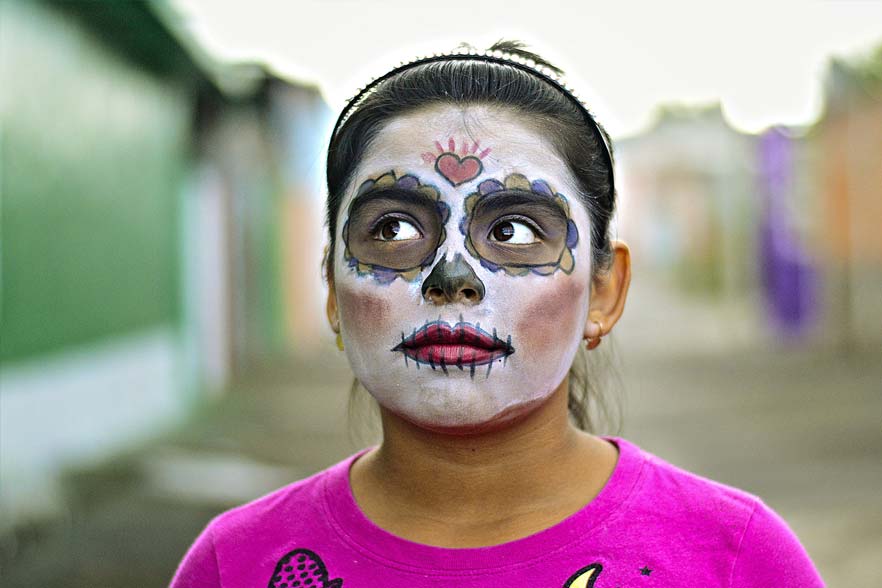
Whatever your age, if you fancy dressing up then this brilliantly sociable holiday is the day to do it. Just remember to make your face up too.

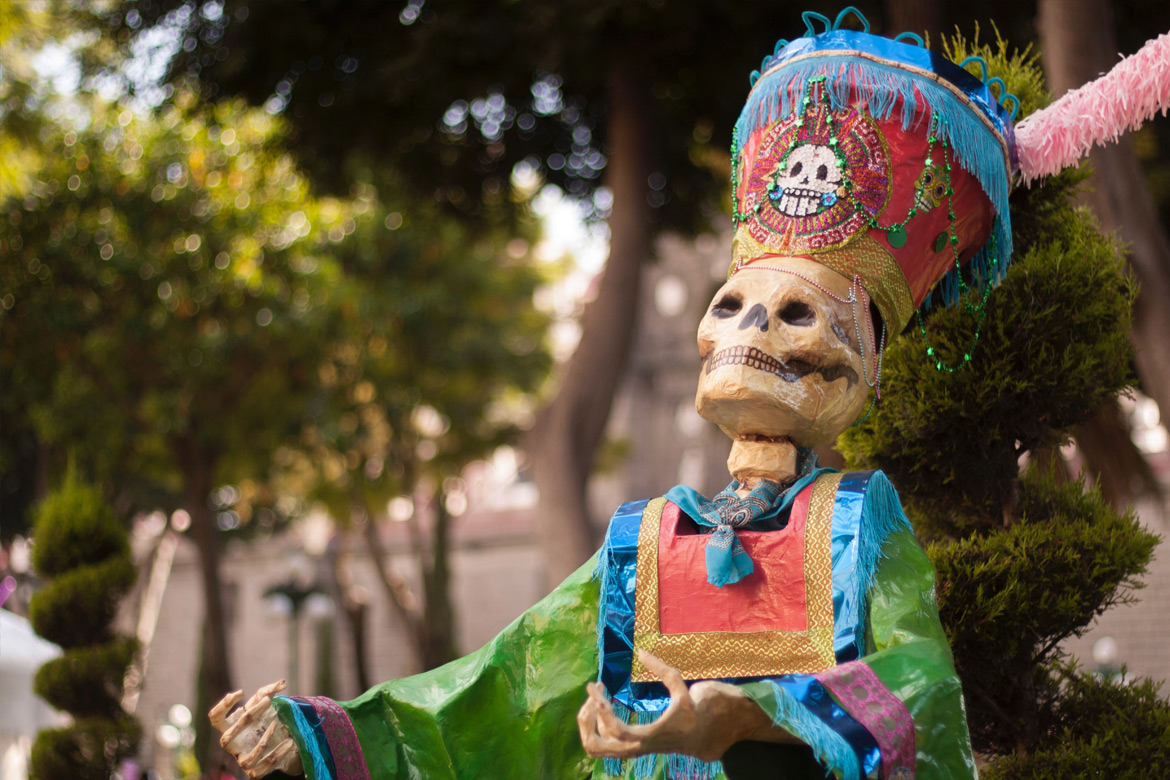
Skeletons and skulls are by far the most popular choice of outfit, but there are no real rules – so let your imagination run wild!

And why not throw in a few shells to noisily clang together as you dance down the streets? After all, you want the dead to know you are there!

Where to go to experience the Day of the Dead

If two days of celebrations just doesn’t sound like enough, head to Aguascalientes where they agree with you whole-heartedly. Here the festivities start at the end of October and merge into an almost week long Festival of Skulls, all culminating in an impressive parade of skulls.

At the other end of the scale, Mixquic is a brilliant example of the more reflective side of this festival. Here the community carry candles and flowers to their local cemeteries, and then clean and decorate the graves.

For us however, the most spine-tingling sight of all is the fishermen’s boats rowing over from Patzcuaro to celebrate on the island of Janitzio – each lit by a single candle.

Are you still here?

What do you mean you’re not in Mexico yet?

Have you somehow managed to ignore all the fantastic reasons to teach English abroad before you die and decided to spend your life in the grey back home?

Or are you hoping to get a chance to pop back from the after-life and join in that way? We don’t think you should risk waiting. Get your bags packed and head there now. This is one festival you definitely do not want to miss.

10 fun facts about Asia

We make no secret of the fact that we heart Asia – from the amazingly diverse cultures to the totally scrumptious food. And just in case you need any more convincing, here are our top 10 fun facts about Asia.

1. Monkeys have their own special feast day in the town of Lopburi in Thailand – complete with personal invites, mountains of fresh fruit and huge bowls of ice-cream. Just watch out for the food fight at the end!

Monkey in Thailand

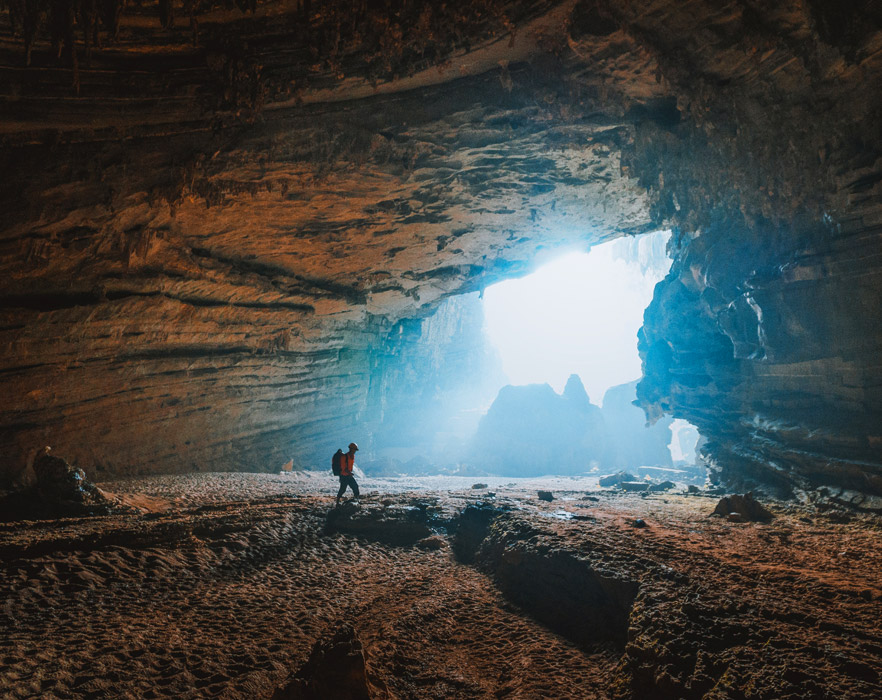
2. The Son Doong cave in Vietnam is so big you could fit a plane inside it. Although we’ve never actually seen anyone trying to do it!

Vietnam cave

3. China’s 8th century Leshan Giant Buddha has eyebrows that are more than 5 metres long. Wow!

Leshan Giant Buddha

4. Vietnam exports more than a third of the world’s cashew nuts. Thank you Vietnam.

Cashew nuts

The World TEFL Guide

5. If you love a cliff-top view but don’t fancy the climb, head for Bailong in China. You can travel 300 metres up the cliff in an elevator!

6. Vietnam’s kitchen deity Ong Tao is in fact not one god but three – two male and one female. We knew there was a reason Vietnamese food is sooo scrummy.

Vietnamese food

7. There are more millionaires in Tokyo than in Paris, San Francisco or Los Angeles. Impressive.

Tokyo

8. Thailand is the only country in South East Asia that has not been colonised by Europeans. And they are super proud of that fact!

Thai floating market

9. In Vietnam, drinking snake wine is believed to improve your health. And yes, snake wine really is whole snakes seeped in rice wine. Hmm. Maybe our health is just fine as it is.

Snake

10. Chinese New Year celebrations last for 15 whole days. Now that’s what we call a proper party!

Chinese New Year

If you fancy embarking upon your very own Asian adventure, check out our range of action-packed TEFL Internships!


CTA Banner for TEFL Courses

Find Us

i-to-i TEFL
4th Floor, Wilson House, Lorne Park Road,
Bournemouth, England, BH1 1JN,
United Kingdom

i-to-i TEFL is a part of Teach and Travel Group Ltd.
Registered Company No. 7935847.