OverviewHave you ever heard a cheetah purr or a lion roar? Seen a leopard`s rosettes up close or looked a big cat in the eyes?
If not, then this is your chance! At Cheetah Experience you will encounter the majority of big cats –some as cubs and some as adult cats. You’ll help the team to care for these animals across the cat species, you'll help with important research as well as update the blog with your experiences and sometimes working with staff members while they nurse sick animals back to health. You will be encouraged to try your hand at taking visitors on tours and accompanying them on game drives occasionally. You'll also be involved with feeding all the animals on a daily basis and preparation of the meat is not for 'cubs' - it can be squeamish and gory! You need to be able to take initiative at this project as you will work without a 'boss' telling you what to do. This is not a five star resort but a quiet place in South Africa where you will be able to spend time with big cats in their territory and on their grounds. Back home, you will live comfortable but not in luxury - the house is furnished with all necessary essentials. The project is based away from town and places to go out - most evenings a good book or the TV will be your entertainment.
Spending time at this inspiring and tranquil big cat lair will leave you with that warm fuzzy feeling from knowing you’ve made a difference. You’ll also go home with some incredible photos and memories! You’ll understand the drama, stress and reality of the ‘behind the scenes’ work of running such a program. Moments spent with the animals are rare and therefore only for the deeply modest yet privileged.
Trip highlights
Feeding, caring for and interacting with the resident cats: lions, cheetahs and much more!
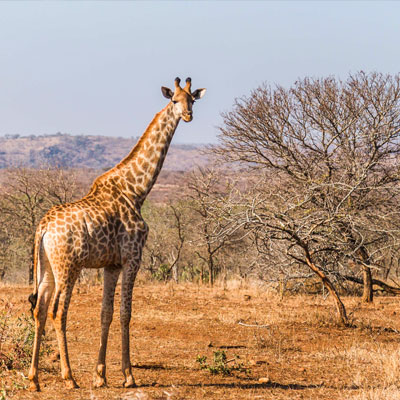
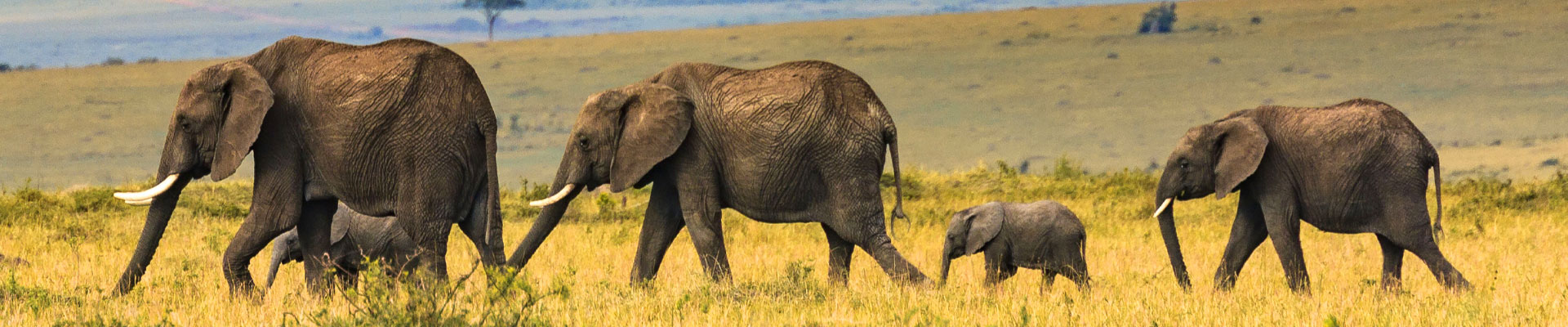
Joining game drives (weather permitting) to see famous South African wildlife and bird life
You’ll be spoilt with typical South Africa ‘boerekos’ (farmers food) - South African;s typically eat a lot of meat!
Being surrounded by the sounds of Africa
You will learn about passion and what it means to raise these animals by unconditional love
What our projects say
There is an unbelievable amount of work to be done both physical and time-consuming
We have had a volunteer who is teaming up with a zoo in Melbourne and they are trying to present a programme to kids about our project to expose the vulnerability of cheetahs. Once the programme is up and running we should be able to benefit by funds that they raise for us. We also had a group of volunteers who took it upon themselves to redecorate the volunteer room which now looks fun, exciting and inviting. More recently a group of volunteers helped in updating the Education centre at the project.
Volunteering with i-to-i is a great way to travel around the country in a safe and secure environment
Fast Facts
Project Information
- Project Duration: Min 2 weeks - Max 4 weeks
- Project Costs: US$ 2289.00 for 2 weeks, US$ 880.00 for every week thereafter
- Location of project:Bloemfontein, (approximately 7 to 8 hours by bus from Johannesburg)
- Arrival Airport:Johannesburg (JNB) arrive by 4.15pm at the latest, Departure Airport Bloemfontein (BFN)
- Activities:Working with the big cats, general maintenance on the project, leading tours and game drives
- Working Hours:07.30 to 17.00 with an hour lunch break
- Getting to the project:Accommodation is just 200m away from the project
- Requirements:Minimum age 18, maximum age 55
What's Included
- Accommodation:Shared room in volunteer house (up to 4 per room with shared bathroom)
- Food:All meals are included. Lunch is cooked for you and is the largest meal. For breakfast and dinner you will need to cook with ingredients supplied for you.
- Airport Pickup:Included on arrival date - ask us for details if you're arriving early. Return transfer from the project to Bloemfontein
- Training:In-country orientation and briefing on arrival at the project
- Support:Pre-departure helpdesk, Local in-country team and 24hr emergency support
What's not included
- Flights, Insurance, Visas, Return transfer (bus/plane) from Bloemfontein to Johannesburg - you will need to budget for this yourself as this is not included in the placement fee.
Itinerary & Details
Day 1 (Monday) – Arrive into Johannesburg Airport (airport code JNB)
Today you will be met at the airport and taken straight to our backpacker’s hostel in Pretoria. You’ll need to arrive in before 4pm so that you’re all ready for the orientation which kicks off at 5pm. The journey from the airport to Pretoria should take around 45 minutes. The orientation is a crucial part of settling in to life in South Africa and will take you through what it’s going to be like at your project, do’s and don’ts, how to stay safe and it’s your prime opportunity to ask any burning questions that you haven’t yet had answered. After the orientation you’ll have dinner prepared for you and have some time to relax and prepare before your first day at the project tomorrow.
If you aren’t able to arrange a flight to get you into Johannesburg before 4pm then we’d recommend you fly in a day early. We can arrange an early airport pick-up for you including one night’s accommodation. Please call us for more information about this.
Day 2 (Tuesday) – Welcome!
You’ll be up bright and early this morning for a quick breakfast before catching your bus to Bloemfontein, where your project is based. You’ll have 7-8 hours (around 400km) to sit and enjoy views of the stunning South African landscape as it rushes past. We’ll meet you from your bus and take you the short journey to your new home at the big cat project
Once you’re settled into your new environment it’s time to meet your new furry friends - lions, leopards, cheetahs, caracals and not forgetting the ever so cute lion cubs! You will have an amazing experience here including hands on feeding and caring for the big cats. However, don't forget that the animal enclosures will also need to be kept in good order, so expect to get dirty and pack closed shoes and wear 'safari gear' as you will be outside all day working at the project.
Day 3 (Wednesday) – Get stuck in
Your first full day with these amazing big cats! The day starts approximately 7:30am with a meeting where the days activities will be communicated. The day will be spent helping with anything from preparing food (including chickens and cutting of meat) to nursing sick animals, cleaning and improving enclosures, planting trees to weeding.
Lunch time is for you to meet up with your fellow volunteers and swap stories before it’s back to work. Your afternoon might be spent leading visitors on a tour of the project - you can guarantee no two days will ever be the same!
In the evening, you'll be able to relax at the volunteer house. In the winter months, between May and August, it becomes quite cold so you will be indoors reading, playing cards and catching up with the other volunteers or catching up with what's on TV! Remember to pack warm clothes even in the summer months as the weather can be erratic. During the summer months of September to April the evenings tend to be warmer and you will be able to sit outside and even lounge around the pool.
Days 4-6 (Thursday to Saturday) –Keep up the good work
Now you’re a fully fledged member of the team (you’ll have the T-shirt to prove it!) you’ll be trying your hand at all aspects of the project’s work. There is always building and construction work to be done or keeping enclosures clean and safe. These amazing animals need a lot of looking after and you’ll be there to lend a hand wherever it’s needed to make sure that your new furry friends have everything they need. Believe us, there will always be something for you to do as the permanent staff have their hands full!
Day 7 (Sunday) – Time to relax
If you are staying more than 1 week, you will have one day off which is all yours to enjoy as you wish! Whether it’s exploring the shopping malls, catching a movie or even indulging in a spa day, Bloemfontein has it all on a smaller scale and is only a short drive away. You will need to plan for these activities and arrange them prior to your day off. For any sporting fans, why not catch a rugby or cricket game at the Outsurance Oval? (Please note these extra activities are arranged at your own cost and are not included as part of the placement fee.)
Following weeks
Your weeks will continue as described above and generally getting stuck into what needs doing at the project. The longer you stay the more responsibility you will be given as you get to understand the project and how it works. You will have one day off each week to fill with whatever you fancy.
Your Last Day (Monday)
Time to pack up your things, say good bye to your new friends and maybe take a few last photos. The team will pick you up and transfer you back to Bloemfontein Airport from where you can either fly directly home, back to Johannesburg or head off for further travels in South Africa. If you are booking a flight from Bloemfontein Airport please book a flight that leaves from 12pm onwards. If you are connecting to an international flight in Johannesburg on the same day you will need to allow around 3 hours at the airport. If, however you prefer to travel by bus to Johannesburg then the project can arrange a transfer to Blomfontein bus station for you but please note that the bus does not arrive until late into Johannesburg. You will therefore need to look at booking any flights for a departure the following day.
Project
What does the project do?
Riana is the founder and owner of the non-profit organisation which is located on a 10 hectare land. The project takes cheetah cubs, lion cubs and any other big cat cubs that have been abandoned by their mothers or from neighboring game farms to raise them. They also take in animals that need rehabilitation, like Mafusa, a cheetah who had a broken leg. Our goal is to purchase larger land where Riana and the team can continue to help rescue these beautiful animals and give them back the life they deserve by releasing them back into the wild.
Please note that there will be times there are no cubs at the project (they do grow up!) however, you will still have hands on work with cheetahs, caracals, wolves and older lions.
What’s the project like?
This is the perfect environment for anyone that wants to experience country living with a love of big cats and other stunning African wildlife. Providing a wonderful opportunity to work with the big cat population, this trip is really a once in a lifetime experience.
Why does the project need volunteers?
This project is run by a small amount of staff and they need all the help they can get from volunteers with every aspect of looking after these fantastic creatures. Every day will be different because you’ll be helping with whatever needs doing, whether it’s cutting up meat, improving and cleaning enclosures, maintenance and repairs, painting, testing fences , washing food bowls and even taking guided tours of the project or even working behind the bar you’ll never be bored!
Activities and schedule
Your typical working day will start from 7.30am-5pm, starting with a daily meeting where your tasks for the day will be allocated. Activities include:
Working very closely with these majestic animals on a daily basis by feeding and caring for them, help with raising the cubs and being involved in all the day to day activities, including placing a blog or two of your experiences
Please note: this project does not involve bottle feeding cubs, this activity is carried out by the expert project staff only
Taking visitors on guided tours
General farm maintenance and improvements, repairing and improving the enclosures
You’ll have a couple of hours in the afternoon off after feeding to spend with the animals, compare photos and stories of the day before dinner and collapsing into bed!
Project resources and advice
You will find all resources that you need at this project so there’s no need to bring anything along from home. If you do have a specific interest in a field that you’d like to get involved in at the project please let us know.
You will need to wear durable clothes such as jeans, khakis or combats that you do not mind getting dirty. The same goes for footwear! Please note that during the South Africa winter nights of May to September and early mornings it can get pretty cold so don't forget to bring a warm clothing. The months of October to March can also become really hot so pack your sunscreen, hat and insect repellant.
Please note that the weather can become quite cold during the months of May to September, please remember to bring some warm clothes with you.
What exactly do i-to-i provide?
It may seem like a strange concept to pay for your volunteer experience. You'd be right if you think you shouldn't and the truth is you actually don't! Your placement is free; it's the benefits around it that you pay for. It's important to note that i-to-i is a travel company and not a charity. We provide a professional travel service. We are responsible for finding and assessing worthwhile projects across the world, preparing you fora the volunteering experience and supporting you whilst you're there.
Here’s some more information about what your placement fee covers….
Project sourcing and assessment
We work with hundreds of locally run partner projects around the world and are constantly sourcing new opportunities. We visit all projects to check that they are worthwhile and legitimate and we also conduct a thorough safety assessment before we'll send volunteers there. More
Expert help-desk
Almost everyone who works for i-to-i has traveled extensively or worked overseas. This means we're a goldmine of information; we're always available to offer support and guidance before, during and after your trip.
Thorough project briefing materials
Once you book on to a project you'll receive a Welcome Pack that contains loads of general information about volunteering, about your chosen country and how to have fun and stay safe. We'll also give you advice on visas and inoculations.
Airport pickup
It can be pretty daunting arriving in a different country for the first time - especially after a long flight! If you arrive on your project start date, there'll be a welcoming face at the airport to pick you up and take you to your accommodation.
Arrival orientation
Soon after you arrive you will attend a thorough orientation with our in-country team. This is to cover important safety and security information. You'll also get some tips about sight-seeing options for your time off and maybe even learn some of the local lingo!
Accommodation and meals
Accommodation is included with all projects and meals are even included with some. We only use locally-owned and operated accommodation so that part of your placement fee is filtering back into the local economy. Most projects offer homestay, guesthouse or shared volunteer houses as standard accommodation, but some offer the chance to upgrade to a more comfortable living standard. More
Local in-country coordinators
Your in-country team will arrange a pick-up for you at the airport and will conduct your orientation upon arrival. All coordination teams are English speaking and are locals of your destination country. They won't be at your project every day, but will be on call 24 hours a day, seven days a week if you need them. More
24/7 emergency support
Aside from the local support from your in-country team you'll be given access to a 24/7 emergency phone line manned by our response team in case any problem should arise while you're overseas. We also hire crisis management professionals to be on hand in case of a situation that requires additional expert support. More
Ongoing training
The safety and security of our volunteers is paramount. For this reason we provide ongoing crisis management and emergency response training to our local teams around the world. We also fly in our in-country coordinators to the UK regularly for thorough training to help them offer the best safety to the thousands of volunteers they support each year. More
Supporting our projects
We don't fund our projects directly from the project fee that you pay us. Instead we choose to support a number of projects every year through a grant scheme for tangible long-term initiatives. In the last 3 years we have distributed over US$250,000 to our most needy projects to help them in the great work they do.
Recruiting people like you
We make no secrets of the fact that part of your placement fee is reinvested in to recruiting volunteers just like you! The volunteers recruited in one week will typically deliver over 2000 man-days of service. The difference this makes to projects overseas is immeasurable. Many of our overseas projects rely on assistance from international volunteers, so it's necessary for us to put together brochures and websites to find the people who can support them. This recruitment process is vital to ensure programs have a constant stream of reliable volunteers.
The intangible benefits
Volunteering through a company like i-to-i has a lot of intangible benefits to developing overseas communities and the individual projects that we work with. To find out more about our placements. click here
Next Steps
What we will do after you've booked:
Once booked on you will instantly receive a welcome email confirming your booking with access to your online account
We will send a Welcome Pack in the post containing a t-shirt and a police check where required (UK only)
Community Development and Teaching customers will be requested to complete a police check (where relevant)
We will contact you if we require anything else e.g. CV/resume for some projects, doctors note for medical conditions etc.
We will prepare for your trip and you will receive all information required to prepare yourself in your online account
We will ask you to complete personal information and pay your final balance if they are still due when required
We are available for any questions you may have on 978 587 3650 or support@i-to-i.com
What you need to do after booking your place with us:
Book your flights
Arrange suitable travel insurance
Fill out your personal details through our online interface:
Complete your police check if requested
Make final payment at least 90 days before you go
Make sure you have a visa for your trip if it's needed
Visit a nurse or travel clinic for advice on inoculations and malaria prevention
Read all details and prepare as much as you can for your trip
Take contact details of the in country team and where you're going in your hand luggage - just in case!
Get on the plane!
Flights & Insurance
Insurance
It's important that you get adequate travel insurance for your i-to-i experience and as many of you will be working this often means standard policies won’t work. The good news is that no matter where your coming from we have already found a policy to suit you.
The best time to get your insurance is when you book your project as this means you can get a fully tailored policy exclusive to i-to-i, just ask your consultant for further details at the time of booking.
EU Customers – find out more here >>
Australian customers - find out more here >>
All other customers - find out more here >>
Flights
As with insurance we advise you get these booked as early as possible to avoid high prices and to make sure you arrive on the right day. The i-to-i team is right up to date with the best deals no matter where youre flying from; their insider knowledge could save you some time and money.
Early Airport Pick-up
Early airport pick up is possible to arrange on the day before the listed start date if required. You will be met at Johannesburg International airport and transferred to Pretoria Backpackers for your overnight accommodation. This backpackers is where the
The cost of this Early Pick-up service is US$ 220.00
Accommodation
What type of accommodation will I be in?
You will be staying just 200 metres down the road from the project…what a commute! Your accommodation is a large home that has been converted to accommodate you. It is a very comfortable house, with a kitchen, dining room, TV/lounge, even an outdoor BBQ and swimming pool in a huge garden. The house is based quite far from town so you will be making good use of the facillties in your spare time.
Accommodation facilities
The volunteer house has 5 bedrooms which have 4 single beds in each. The bathroom facilities include hot water, shower and western style toilets.
Don’t worry about packing weeks and week's worth of clothing as there are laundry facilities available for you to use. You'll also be able to stay in touch with your family/friends as there is internet available at the project. The cost for this will be R50 per week.
Whilst at your project, daily breakfast will be available for you and lunch will be prepared for you. Lunch is the biggest meal of the day so dinner is usually something quick and easy. Volunteers help each other in preparing dinner with what is provided in the volunteer fridge and freezer. You’ll also have tea and coffee provided for you throughout the day, so there is no excuse not to keep those fluids up! We suggest you bring some money with you to the project for any snacks and extra soft drinks you will want throughout the day.
Things to bring from home
If you are travelling to the project between May and September please ensure that you bring some warm clothes (i.e. a fleece and a sweater). Although the days are usually bright and sunny, nights and early mornings can get very cold. Should you be travelling between October and March please ensure to bring a hat, sunscreen, insect repellent and a jumper or two for the evenings as they can get cool. Finally don't forget your camera, I-Pod and some books to read while relaxing in the evenings.
Where is the accommodation?
You’ll be leaving your daily commute behind as the project and accommodation are just 200m apart.
How far is it from my project?
Just down the road, you’ll be able to hear the wildlife from your accommodation or as you relax in the pool – bliss.
A little bit of history...
A journey into South Africa’s history is to haul through periods of racial tension, oppression and hope. Its multicultural mix originates from the earliest settlers, the San (also known as Bushmen) and Khoi-Khoi tribes, followed by Bantu-speaking groups, and through to the swarm of European traders. The Dutch were among the first European settlers and arrived in the 17th century, establishing their presence through their own dialect, Afrikaan, and religion in the form of the Dutch Reformed Church. By the end of the 18th century, the British began to push their presence forward into the country’s towns. It was a period of flared tensions with Zulu chief Shaka renouncing war on neighbouring tribes. Meanwhile, the Boers (Dutch Afrikaner farmers) and the British became locked in conflict; the Anglo-Boer War lasted from 1899 to 1902, ending with the British taking control of the Boer republics of Transvaal and the Orange Free State (OFS) and consequently ruling the country.
By 1910, the Union of South Africa was created and gave political power to whites, while blacks set up political parties in protest, the African National Congress (ANC) the best known. It ushered in the beginnings of apartheid, which became widely ingrained after the Afrikaner National Party came to power in 1948. Violence against protests from blacks was enforced and the black population were evicted to so-called Homelands. In the 1960s, leaders of the ANC were imprisoned, notably Nelson Mandela, and the country became isolated having left the Commonwealth and declaring its republic status. After a long period of racial divide and conflict, in 1989 FW de Klerk came to power with the aim to rid the country of apartheid and instil democracy. The following year, Mandela was released from prison and in 1994 became president after the ANC won the country’s first non-racial general elections; the country also returned to the Commonwealth. The country’s democratic stance has steered it toward a more harmonious future, though economic inequalities between whites and blacks exist, but as the most developed economy on the continent it is in a good position to reconcile with its past.
Best time to go...
Naturally, South Africa’s seasons are the reverse of the northern hemisphere with summer heat burning from November to March and cooler winter temperatures from June to August. Temperature wise, spring (September to October) and autumn (April to May) provide a happy medium. Certain must-do activities are restricted to specific times of year: safari is best from June to September and the whale watching season is June to December. The busiest time, hence the most expensive, is during the summer months, while the major school holidays are during December and Easter.
Getting around...
Given the distances involved, flying is the most convenient way to travel between the main destinations, while land transportation can efficiently pick up the rest of the mileage for exploration in and around. There are an assortment of domestic carriers to choose from that fly the main routes, with most running from Johannesburg or Cape Town; these include South African Airways, Nationwide Airlines, Kulula and 1Time. Booking early is advisable to secure discounted rates.
There country also boasts a comprehensive bus network that covers the main cities; the road trip from Johannesburg to Cape Town is around 20 hours (compared to a 2 hour in a plane). The main bus companies are Translux, Greyhound and Intercape. Baz Bus is aimed at the backpacker crowd and provides a hop-on, hop-off service and also travels to remote areas. It’s a good way to discover the picturesque patch of coastline that is the Garden Route, which it services en route from Cape Town to Port Elizabeth.
Train travel can work out longer than by bus, with the trip from Johannesburg to Cape Town edging toward almost 30 hours. If you’re after a little luxury, try the Blue Train or the Rovos Rail for a taste of stylish travel.
Car rental is an attractive option thanks to the good road conditions, great scenery and the flexibility driving allows. The big car rental companies like Avis and Budget have outlets and it’s essential to be fully insured and have a valid driver’s licence. It’s also a convenient way to get around cities as public transport can be unsafe.
Useful links
www.lonelyplanet.com
www.fco.gov.uk
The Foreign & Commonwealth Office’s website provides up-to-date political news, travel advice and information on visas
www.aasa.co.za
The Automobile Association of South Africa (AA)
www.bazbus.com
Bus company Baz Bus
www.1time.co.za
Domestic airline 1Time
www.greyhound.co.za
Bus company Greyhound
www.intercape.co.za
Bus company Intercape
www.kulula.com
Domestic airline Kulula
www.flynationwide.co.za
Nationwide Airlines
www.flysaa.com
South African Airways
www.translux.com.za
Bus company Translux
loading images...
loading stories...